Moyamoya disease (mmd) is a type of chronic cerebrovascular occlusion disease, which frequently occurs in east asian populations, including pediatric and adult patients, and may lead to ischemic or hemorrhagic stroke, headache, epilepsy or transient ischemic attack. moyamoya disease survival rate A health care provider may consider these conditions in the table below when making a diagnosis. M oyamoya disease (mmd), an uncommon chronic cerebrovascular disease, was first reported by takeuchi and shimizu in 1957. 38 whereas adults experienced an ischemic or hemorrhagic complication rate of 5.15% and a 0.86% mortality rate, pediatric patients experienced a 3.13% morbidity and a 1% mortality rate.
Moyamoya Disease Survival Rate, We aimed to estimate the incidence and prevalence of mmd in china. The overall mortality rate from moyamoya disease is about 10% in adults, and 4.3% in children. A health care provider may consider these conditions in the table below when making a diagnosis. Moyamoya disease (mmd) is a rare cerebrovascular disease mainly described in the asian literature.
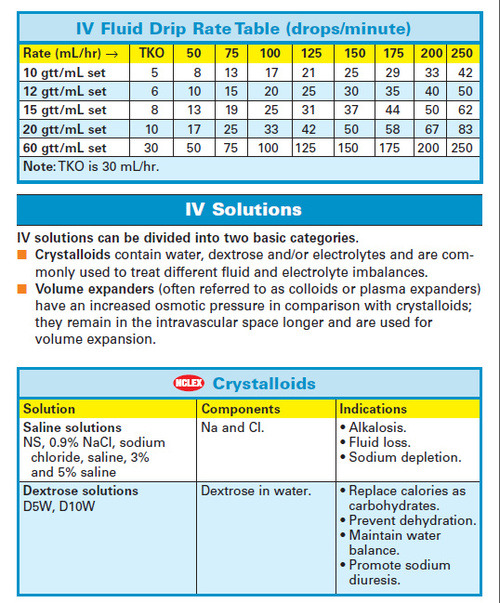
 Pharmacy Phun From pinterest.com
Read another article:
A health care provider may consider these conditions in the table below when making a diagnosis. Background moyamoya disease (mmd) is a cerebrovascular disease characterized by progressive stenosis or occlusion of the terminal portion of internal carotid arteries and the formation of a vascular network at the base of the brain. The pathogenesis of mmd is still unclear. Methodology/principal findings we retrospectively analyzed clinical data for 65 consecutive patients with mmd in our. China is the largest nation in asia, but few studies reported the epidemiology of mmd, especially at a national level.
A comparative analysis of clinical presentation and natural history in a single multiethnic cohort of 250 hemispheres.
Moyamoya disease and moyamoya syndrome. Baba t, houkin k, kuroda s: Related diseases related diseases listen. Background and objective moyamoya disease (mmd) is an increasingly recognised cause of stroke, mainly described in east asia. The incidence from 2007 to 2011 was 1.7 to 2.3/10(5), and the prevalence in 2011 was 16.1/10(5). 24 the pathology of the disease is characterized by progressive narrowing or occlusion of the bilateral distal internal carotid arteries with abnormal vascular collateral networks at the base of the brain. Related diseases are conditions that have similar signs and symptoms.
 Source: pinterest.com
Pin By Nerrita Noey On Mmd Icase Moyamoya Disease Medical Transcription Disease Methodology/principal findings we retrospectively analyzed clinical data for 65 consecutive patients with mmd in our. 24 the pathology of the disease is characterized by progressive narrowing or occlusion of the bilateral distal internal carotid arteries with abnormal vascular collateral networks at the base of the brain. Kuroda s, ishikawa t, houkin k, et al: We aimed to estimate the incidence and prevalence of mmd in china. Related diseases are conditions that have similar signs and symptoms. To date, the underlying mechanisms of mmd have remained to be fully elucidated, but certain studies have indicated that genetic.
 Source: pinterest.com
100 Pediatric Brain Tumors Ideas Brain Tumor Tumor Pediatrics A health care provider may consider these conditions in the table below when making a diagnosis. In 1969, suzuki and takaku named it “moyamoya disease” according. Years), the surgical morbidity rate was 3.5% and the mortality rate was 0.7% per treated. Moyamoya disease (mmd) is a type of chronic cerebrovascular occlusion disease, which frequently occurs in east asian populations, including pediatric and adult patients, and may lead to ischemic or hemorrhagic stroke, headache, epilepsy or transient ischemic attack. Mortality rates from moyamoya disease are approximately 10% in adults and 4.3% in children. Moyamoya disease (mmd) is a complex cerebrovascular disorder about which little is known.
 Source: pinterest.com
46 On My Brain Ideas Brain Aneurysm Brain Brain Aneurysm Awareness Novel epidemiological features of moyamoya disease. A comparative analysis of clinical presentation and natural history in a single multiethnic cohort of 250 hemispheres. The natural history of untreated moyamoya disease is poor, with a 73% rate of major deficit or death more than 2 years after diagnosis in children (36) and a similarly poor prognosis in adults (24,43). Related diseases are conditions that have similar signs and symptoms. Moyamoya disease (mmd) is a type of chronic cerebrovascular occlusion disease, which frequently occurs in east asian populations, including pediatric and adult patients, and may lead to ischemic or hemorrhagic stroke, headache, epilepsy or transient ischemic attack. Racial phenotypes in moyamoya disease:
 Source: pinterest.com
31 Work Ideas In 2021 Nursing Study Medical Knowledge Nursing Notes Moyamoya disease and moyamoya syndrome. Years), the surgical morbidity rate was 3.5% and the mortality rate was 0.7% per treated. Moyamoya disease was first described in children of japanese descent in the 1960s. Methodology/principal findings we retrospectively analyzed clinical data for 65 consecutive patients with mmd in our. With progression, moyamoya disease often extends to the middle and. Novel epidemiological features of moyamoya disease.
 Source: pinterest.com
21 Nur 112114 Ideas Nursing School Tips Nursing Study Nursing School Studying The pathogenesis of mmd is still unclear. Racial phenotypes in moyamoya disease: Related diseases related diseases listen. Background and objective moyamoya disease (mmd) is an increasingly recognised cause of stroke, mainly described in east asia. China is the largest nation in asia, but few studies reported the epidemiology of mmd, especially at a national level. Background moyamoya disease (mmd) is a cerebrovascular disease characterized by progressive stenosis or occlusion of the terminal portion of internal carotid arteries and the formation of a vascular network at the base of the brain.
 Source: pinterest.com
Hyperthyroidism Related diseases related diseases listen. Moyamoya disease (mmd) is a type of chronic cerebrovascular occlusion disease, which frequently occurs in east asian populations, including pediatric and adult patients, and may lead to ischemic or hemorrhagic stroke, headache, epilepsy or transient ischemic attack. The overall mortality rate from moyamoya disease is about 10% in adults, and 4.3% in children. 38 whereas adults experienced an ischemic or hemorrhagic complication rate of 5.15% and a 0.86% mortality rate, pediatric patients experienced a 3.13% morbidity and a 1% mortality rate. Disease can range from months to decades. Moyamoya disease (mmd) is a rare cerebrovascular disease mainly described in the asian literature.
Source: pinterest.com
Pharmacy Phun Moyamoya disease was first described in children of japanese descent in the 1960s. We aimed to estimate the incidence and prevalence of mmd in china. Moyamoya disease was first described in children of japanese descent in the 1960s. The natural history of untreated moyamoya disease is poor, with a 73% rate of major deficit or death more than 2 years after diagnosis in children (36) and a similarly poor prognosis in adults (24,43). The pathogenesis of mmd is still unclear. Background moyamoya disease (mmd) is a cerebrovascular disease characterized by progressive stenosis or occlusion of the terminal portion of internal carotid arteries and the formation of a vascular network at the base of the brain.
 Source: pinterest.com
Human Heart Poster Zazzlecom Anatomy And Physiology Human Heart Diagram Human Anatomy And Physiology The incidence from 2007 to 2011 was 1.7 to 2.3/10(5), and the prevalence in 2011 was 16.1/10(5). The authors treated a total of 233 adult patients undergoing 389 procedures (mean age 39.5 years) and. The incidence from 2007 to 2011 was 1.7 to 2.3/10(5), and the prevalence in 2011 was 16.1/10(5). Methodology/principal findings we retrospectively analyzed clinical data for 65 consecutive patients with mmd in our. Novel epidemiological features of moyamoya disease. Related diseases are conditions that have similar signs and symptoms.
 Source: pinterest.com
Moyamoya Awareness Moyamoya Disease Rare Disease Awareness Brain Tumor Awareness Incidence and clinical features of disease progression in adult moyamoya disease. M oyamoya disease (mmd), an uncommon chronic cerebrovascular disease, was first reported by takeuchi and shimizu in 1957. With progression, moyamoya disease often extends to the middle and. The authors treated a total of 233 adult patients undergoing 389 procedures (mean age 39.5 years) and. Years), the surgical morbidity rate was 3.5% and the mortality rate was 0.7% per treated. Related diseases are conditions that have similar signs and symptoms.
 Source: pinterest.com
47 Strokes - Signs Ideas Stroke Awareness Strokes Stroke Prevention 24 the pathology of the disease is characterized by progressive narrowing or occlusion of the bilateral distal internal carotid arteries with abnormal vascular collateral networks at the base of the brain. Incidence and clinical features of disease progression in adult moyamoya disease. In total, 66.3% of patients aged 0 to 14 years underwent surgery, whereas only 21.5% in the older than 15 years age group underwent surgery. The natural history of untreated moyamoya disease is poor, with a 73% rate of major deficit or death more than 2 years after diagnosis in children (36) and a similarly poor prognosis in adults (24,43). Moyamoya disease and moyamoya syndrome. Background and objective moyamoya disease (mmd) is an increasingly recognised cause of stroke, mainly described in east asia.
 Source: pinterest.com
Are You At Risk For Pad Infographic By Aha Peripheral Artery Disease Coronary Artery Disease Disease Infographic In 1969, suzuki and takaku named it “moyamoya disease” according. Incidence and clinical features of disease progression in adult moyamoya disease. Background and objective moyamoya disease (mmd) is an increasingly recognised cause of stroke, mainly described in east asia. China is the largest nation in asia, but few studies reported the epidemiology of mmd, especially at a national level. Disease can range from months to decades. Moyamoya disease was first described in children of japanese descent in the 1960s.
 Source: pinterest.com
Avm Aneurysm Awareness Avm Netherlands On Facebook Aneurysm Medical Surgical Nursing Neurology Baba t, houkin k, kuroda s: The overall mortality rate from moyamoya disease is about 10% in adults, and 4.3% in children. Moyamoya disease (mmd) is a complex cerebrovascular disorder about which little is known. The incidence from 2007 to 2011 was 1.7 to 2.3/10(5), and the prevalence in 2011 was 16.1/10(5). This is a rare vascular condition, affecting only about one million people, in which there is a progressive spontaneous occlusion of one or both internal carotid arteries and their major branches. Mortality rates from moyamoya disease are approximately 10% in adults and 4.3% in children.
 Source: pinterest.com
First Aid For Stroke Stroke Is An Emergency Every Minut Counts Be Fast If You Want To Get More Useful First Stroke Awareness Stroke Prevention Prevention The pathogenesis of mmd is still unclear. With progression, moyamoya disease often extends to the middle and. 24 the pathology of the disease is characterized by progressive narrowing or occlusion of the bilateral distal internal carotid arteries with abnormal vascular collateral networks at the base of the brain. Moyamoya disease (mmd) is a rare cerebrovascular disease mainly described in the asian literature. Years), the surgical morbidity rate was 3.5% and the mortality rate was 0.7% per treated. Novel epidemiological features of moyamoya disease.
 Source: pinterest.com
White Matter Diseases Moyamoya Disease White Matter Disease Related diseases related diseases listen. In total, 66.3% of patients aged 0 to 14 years underwent surgery, whereas only 21.5% in the older than 15 years age group underwent surgery. Years), the surgical morbidity rate was 3.5% and the mortality rate was 0.7% per treated. The natural history of untreated moyamoya disease is poor, with a 73% rate of major deficit or death more than 2 years after diagnosis in children (36) and a similarly poor prognosis in adults (24,43). 38 whereas adults experienced an ischemic or hemorrhagic complication rate of 5.15% and a 0.86% mortality rate, pediatric patients experienced a 3.13% morbidity and a 1% mortality rate. In 1969, suzuki and takaku named it “moyamoya disease” according.
 Source: pinterest.com
31 Work Ideas In 2021 Nursing Study Medical Knowledge Nursing Notes This is a rare vascular condition, affecting only about one million people, in which there is a progressive spontaneous occlusion of one or both internal carotid arteries and their major branches. Kuroda s, ishikawa t, houkin k, et al: The overall mortality rate from moyamoya disease is about 10% in adults, and 4.3% in children. A comparative analysis of clinical presentation and natural history in a single multiethnic cohort of 250 hemispheres. The natural history of untreated moyamoya disease is poor, with a 73% rate of major deficit or death more than 2 years after diagnosis in children (36) and a similarly poor prognosis in adults (24,43). Years), the surgical morbidity rate was 3.5% and the mortality rate was 0.7% per treated.
 Source: pinterest.com
Cardiovascular Examination - Medrevise Mitral Valve Tricuspid Valve Pulmonary Racial phenotypes in moyamoya disease: Moyamoya disease (mmd) is a complex cerebrovascular disorder about which little is known. The pathogenesis of mmd is still unclear. Incidence and clinical features of disease progression in adult moyamoya disease. Mortality rates from moyamoya disease are approximately 10% in adults and 4.3% in children. The incidence from 2007 to 2011 was 1.7 to 2.3/10 5, and the prevalence in 2011 was 16.1/10 5.
 Source: pinterest.com
My Pituitary Tumor 38 whereas adults experienced an ischemic or hemorrhagic complication rate of 5.15% and a 0.86% mortality rate, pediatric patients experienced a 3.13% morbidity and a 1% mortality rate. Moyamoya disease and moyamoya syndrome. Moyamoya disease (mmd) is a type of chronic cerebrovascular occlusion disease, which frequently occurs in east asian populations, including pediatric and adult patients, and may lead to ischemic or hemorrhagic stroke, headache, epilepsy or transient ischemic attack. Years), the surgical morbidity rate was 3.5% and the mortality rate was 0.7% per treated. Methodology/principal findings we retrospectively analyzed clinical data for 65 consecutive patients with mmd in our. Novel epidemiological features of moyamoya disease.
 Source: pinterest.com
9 Best Strokes Images Brain Stroke Recovery Neurology A comparative analysis of clinical presentation and natural history in a single multiethnic cohort of 250 hemispheres. In total, 66.3% of patients aged 0 to 14 years underwent surgery, whereas only 21.5% in the older than 15 years age group underwent surgery. Related diseases related diseases listen. The incidence from 2007 to 2011 was 1.7 to 2.3/10 5, and the prevalence in 2011 was 16.1/10 5. Years), the surgical morbidity rate was 3.5% and the mortality rate was 0.7% per treated. Moyamoya disease (mmd) is a type of chronic cerebrovascular occlusion disease, which frequently occurs in east asian populations, including pediatric and adult patients, and may lead to ischemic or hemorrhagic stroke, headache, epilepsy or transient ischemic attack.
Please support us by sharing this posts to your preference social media accounts like Facebook, Instagram and the other.


